
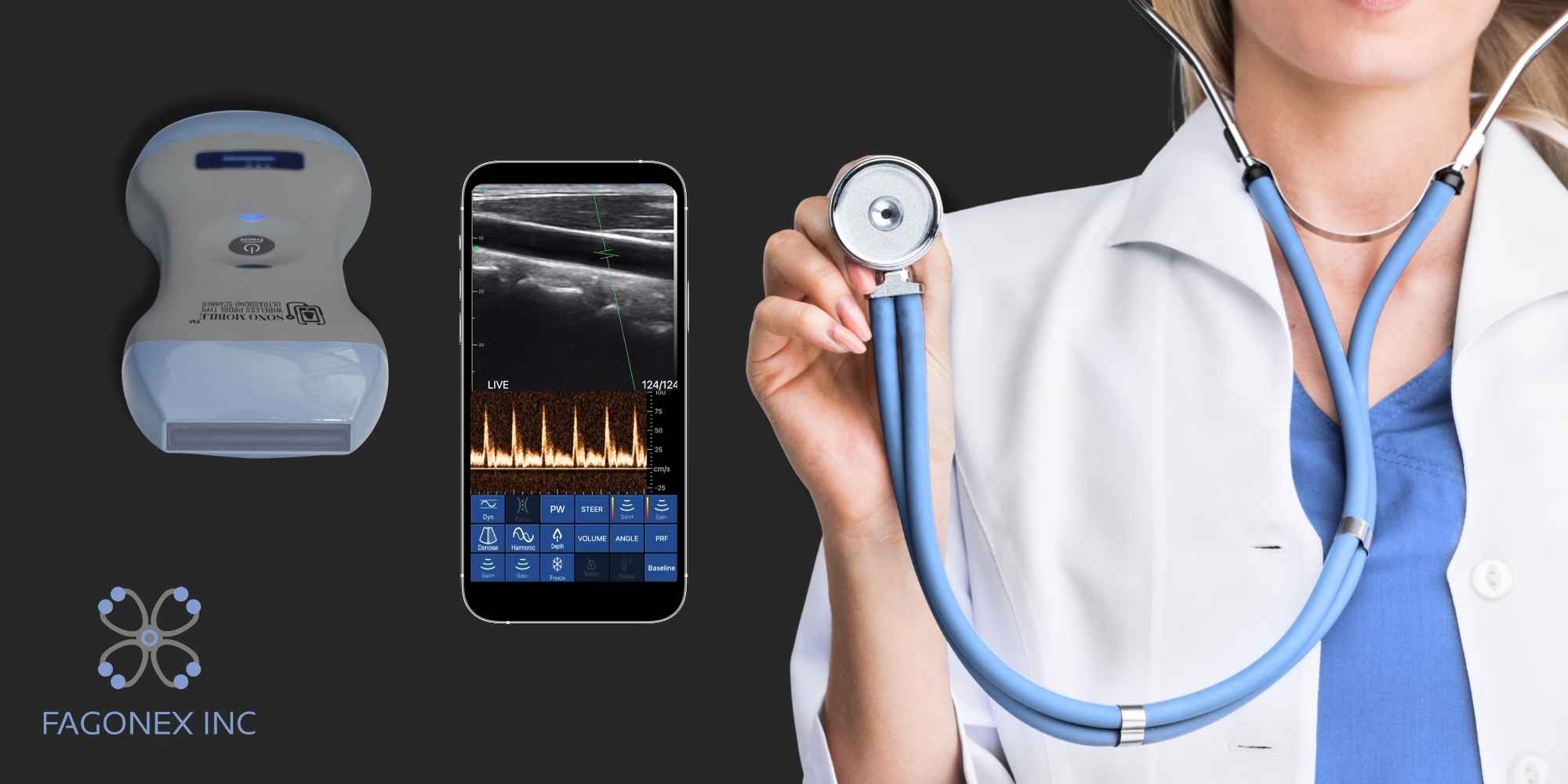
25 Reasons Why Doctors Should Use Mobile Ultrasound Devices More Than Stethoscopes in Modern Healthcare
The Evolution of Clinical Assessment: From Stethoscope to Mobile Ultrasound
For more than two centuries, the stethoscope has been an iconic symbol of medicine. However, modern healthcare increasingly demands faster diagnosis, greater accuracy, and real-time clinical decision-making. Mobile ultrasound devices are transforming bedside assessment by enabling physicians to see beyond what they can hear. Handheld and portable ultrasound systems, including advanced Point-of-Care Ultrasound (POCUS) solutions such as Sono Mobile™, are becoming essential tools across emergency medicine, internal medicine, critical care, family practice, anesthesia, pediatrics, cardiology, and many other specialties. Below are 25 compelling reasons why mobile ultrasound devices are reshaping modern healthcare.1. Superior Portability and Accessibility
Mobile ultrasound devices are lightweight, compact, and easy to transport, allowing physicians to perform diagnostic imaging virtually anywhere, from hospitals and clinics to remote communities, ambulances, rural settings, and bedside care.2. Faster Diagnosis at the Point of Care
Real-time imaging allows clinicians to rapidly identify conditions and make immediate treatment decisions, particularly in emergency medicine and critical care settings.3. Improved Clinical Accuracy
Unlike traditional physical examination alone, ultrasound allows clinicians to visualize anatomy and pathology directly, improving diagnostic confidence.4. Enhanced Patient Outcomes
Earlier diagnosis leads to earlier intervention. Faster clinical decisions contribute to improved treatment outcomes and better patient care pathways.5. Cost-Effective Imaging Solution
Portable ultrasound systems like Sono Mobile™ CL64 are significantly more affordable than large conventional ultrasound systems, making advanced imaging more accessible to smaller practices and clinics.6. True Point-of-Care Ultrasound (POCUS)
Mobile ultrasound enables imaging exactly where patients receive care; without delays, transportation, or scheduling challenges.7. Multi-Specialty Versatility
Portable ultrasound devices support multiple applications including:- Cardiac imaging
- Lung ultrasound
- Abdominal scanning
- Musculoskeletal assessments
- Obstetrics and gynecology
- Vascular access
- Urology
- Pediatrics
- Critical care
8. User-Friendly Technology
Modern systems feature intuitive interfaces, wireless probes, AI-assisted workflows, and mobile applications that simplify adoption.9. Reduced Patient Transfers
Bedside imaging minimizes transportation risks for critically ill, immobile, or unstable patients.10. Powerful Educational Tool
Medical students, residents, and clinicians can learn anatomy and pathology through live imaging, improving medical education.
Safety and Clinical Advantages
11. No Ionizing Radiation
Unlike CT scans or X-rays, ultrasound uses sound waves, making it safer for pregnant patients, pediatrics, and repeated examinations.12. Better Infection Control
Portable devices reduce patient movement and can remain inside isolation rooms, helping improve infection prevention protocols.13. Increased Patient Comfort
Bedside imaging minimizes anxiety and provides a more patient-centered experience.14. Real-Time Procedural Guidance
Ultrasound improves accuracy during:- Biopsies
- Central line insertion
- Catheter placement
- Drainage procedures
- Regional anesthesia
15. Safer Clinical Procedures
Visualization reduces complications and improves procedural confidence.
Workflow and Efficiency Benefits
16. Improved Operational Efficiency
Portable devices reduce imaging bottlenecks and accelerate patient throughput.17. Optimized Resource Allocation
Large imaging systems remain available for advanced studies while portable devices manage routine bedside imaging.18. Faster Follow-Up Assessments
Frequent monitoring becomes easier without repeated trips to imaging departments.19. Customizable Clinical Presets
Specialty-specific protocols streamline workflows and reduce scanning time.20. Integration with Electronic Health Records (EHR)
Many systems integrate directly with digital medical records for seamless documentation and image sharing.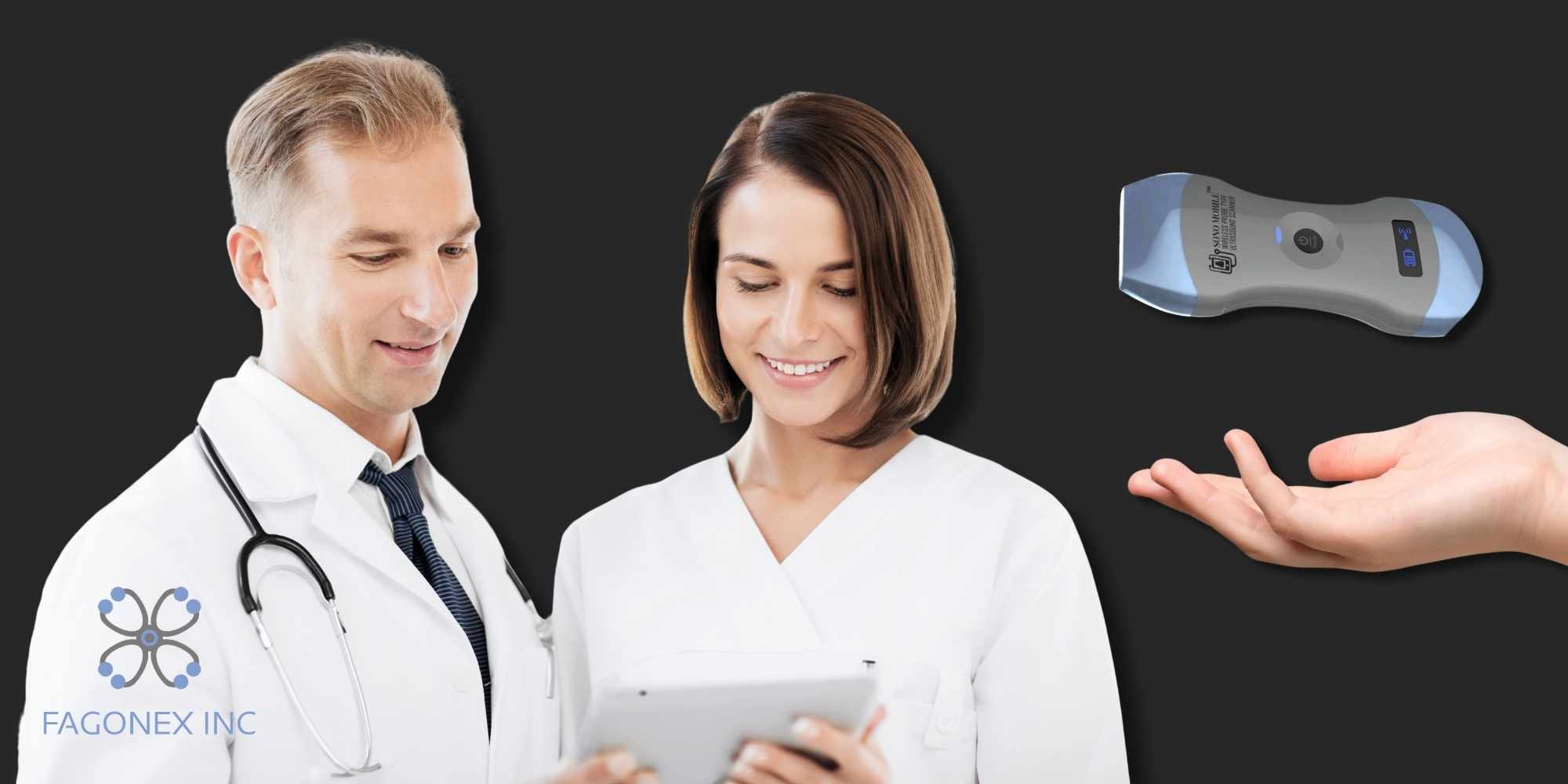
Technology and Innovation Advantages
21. Telemedicine Integration
Remote consultations and image sharing expand access to specialists regardless of location.22. Enhanced Clinical Collaboration
Real-time image sharing enables multidisciplinary consultation and better care coordination.23. Battery-Powered Flexibility
Battery operation allows use during power outages, disaster relief efforts, field hospitals, and remote medical missions.24. Essential for Emergency and Disaster Response
Portable imaging becomes invaluable when conventional infrastructure is unavailable.25. Driving Innovation in Modern Medicine
Adopting mobile ultrasound reflects healthcare’s movement toward smarter, faster, and more technology-enabled patient care.
Mobile Ultrasound vs. Stethoscope: Why Visualization Matters
While stethoscopes remain valuable screening tools, ultrasound allows clinicians to visualize anatomy, physiology, and pathology in real time. In many clinical scenarios, seeing structures directly provides more actionable information than auscultation alone. Modern medicine increasingly values:- Faster decision-making
- Greater diagnostic accuracy
- Reduced delays
- Improved patient safety
- Better bedside care
Why Mobile Ultrasound Devices Are Becoming Essential
The future of healthcare is portable, connected, and data-driven. Handheld ultrasound devices such as Sono Mobile™ empower healthcare professionals with immediate access to diagnostic imaging wherever patients need care. Whether in hospitals, outpatient clinics, ambulances, rural settings, or medical education, mobile ultrasound improves flexibility, efficiency, and clinical confidence.Final Thoughts
Mobile ultrasound is no longer just an emerging technology; it is rapidly becoming a standard of care in modern medicine. As healthcare systems continue prioritizing efficiency, accessibility, and precision medicine, portable ultrasound devices are positioned to become as essential as the stethoscope itself.
Ready to Experience the Future of Point-of-Care Ultrasound?
Choosing the right mobile ultrasound solution depends on your specialty, clinical workflow, and imaging needs. Our consultation team is here to help you identify the best device configuration for your practice, department, or healthcare facility.
Whether you work in emergency medicine, critical care, family practice, anesthesia, internal medicine, MSK, or specialized care settings, we can help match you with the right solution.
Contact our team today to schedule a personalized consultation and book a live demonstration session to experience Sono Mobile™ in your hands.
See how portable ultrasound can transform your workflow, improve diagnostic confidence, and bring imaging directly to the point of care.