

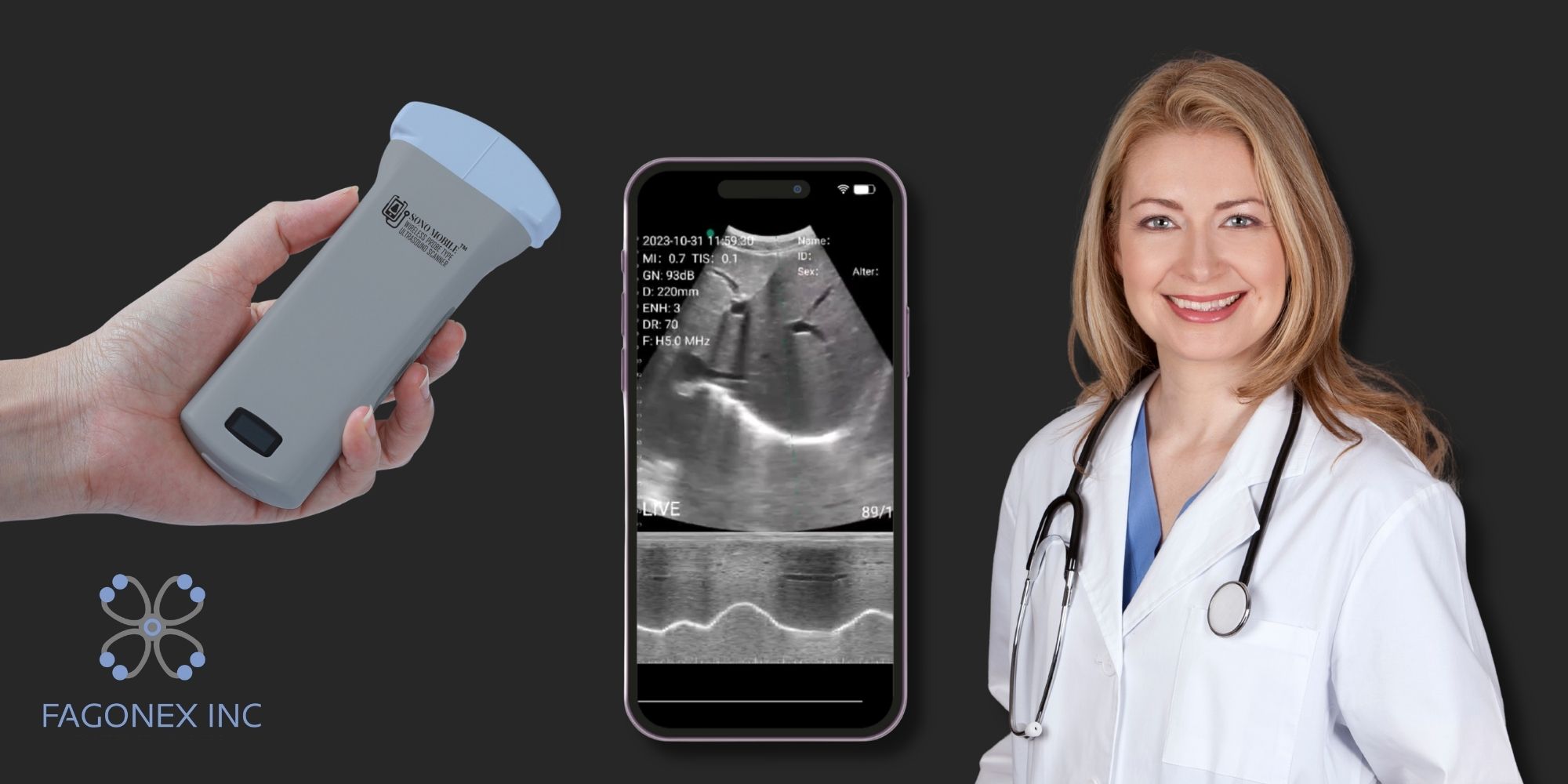
 A Scientific, Clinical, and Safety-Based Perspective by Fagonex – Manufacturer of Sono Mobile™
Ultrasound imaging has become one of the most trusted diagnostic tools in modern medicine. From emergency departments and ICUs to obstetrics clinics and remote care settings, ultrasound enables real-time visualization without ionizing radiation. As the manufacturer of Sono Mobile™ portable ultrasound systems, Fagonex is committed not only to advancing imaging technology but also to promoting responsible and evidence-based clinical use.
With the growing availability of handheld ultrasound devices and increased clinical utilization, an important question arises: What are the effects of frequent ultrasound exposure?
This article provides a comprehensive, evidence-based overview designed for clinicians, healthcare administrators, and decision-makers seeking clarity on safety, long-term effects, and responsible usage.
A Scientific, Clinical, and Safety-Based Perspective by Fagonex – Manufacturer of Sono Mobile™
Ultrasound imaging has become one of the most trusted diagnostic tools in modern medicine. From emergency departments and ICUs to obstetrics clinics and remote care settings, ultrasound enables real-time visualization without ionizing radiation. As the manufacturer of Sono Mobile™ portable ultrasound systems, Fagonex is committed not only to advancing imaging technology but also to promoting responsible and evidence-based clinical use.
With the growing availability of handheld ultrasound devices and increased clinical utilization, an important question arises: What are the effects of frequent ultrasound exposure?
This article provides a comprehensive, evidence-based overview designed for clinicians, healthcare administrators, and decision-makers seeking clarity on safety, long-term effects, and responsible usage.
Can Too Many Ultrasounds Be Harmful?
 Ultrasound imaging works by transmitting high-frequency sound waves into the body and interpreting the returning echoes. Unlike CT scans or X-rays, ultrasound does not use ionizing radiation. This fundamental difference significantly reduces biological risk.
However, ultrasound is still a form of energy. Therefore, understanding its interaction with tissue is essential.
Ultrasound imaging works by transmitting high-frequency sound waves into the body and interpreting the returning echoes. Unlike CT scans or X-rays, ultrasound does not use ionizing radiation. This fundamental difference significantly reduces biological risk.
However, ultrasound is still a form of energy. Therefore, understanding its interaction with tissue is essential.
Biological Effects of Diagnostic Ultrasound
There are two primary physical mechanisms through which ultrasound interacts with tissue:-
Thermal Effects
-
Mechanical Effects (Cavitation)
- Thermal Index (TI)
- Mechanical Index (MI)
Regulatory Oversight
Diagnostic ultrasound devices are regulated by authorities such as:- S. Food and Drug Administration
- Health Canada
- World Health Organization
So, Can Too Many Ultrasounds Be Harmful?
In medically indicated diagnostic settings: There is no credible scientific evidence showing harm from properly performed diagnostic ultrasound exams. However:- Non-medical “keepsake” scanning
- Prolonged scanning without clinical indication
- Improper operator training
Do Ultrasounds Cause Any Long-Term Effects?

Current Scientific Consensus
Extensive research over decades has not demonstrated consistent or reproducible long-term harm associated with diagnostic ultrasound used within recommended limits. Professional medical bodies worldwide support its use when clinically justified. Key points:- No ionizing radiation exposure
- No proven link to cancer
- No established neurodevelopmental harm when used properly
- No evidence of cumulative tissue damage in diagnostic settings
Obstetric Ultrasound and Long-Term Safety
Ultrasound in pregnancy has been widely studied. The medical consensus remains:- Routine obstetric scans are safe
- Exposure duration should be minimized
- Exams should always be medically indicated
What About Cumulative Exposure?
Unlike radiation-based imaging, ultrasound does not accumulate dose in the body. The energy dissipates quickly, and tissues return to baseline states. Therefore, there is no established concept of “lifetime ultrasound dose” comparable to CT imaging.Key Findings on Frequent Ultrasound
 Based on decades of clinical research and global regulatory review, the key findings are:
-
Diagnostic Ultrasound Is Considered Safe
-
No Ionizing Radiation
-
No Proven Long-Term Harm
-
Overuse Without Indication Is Not Recommended
-
Operator Skill Matters
- Real-time TI and MI monitoring
- Optimized acoustic output control
- Intelligent presets to reduce scan time
- High-sensitivity probes requiring lower power
We suggest you read: 9-Week Ultrasound: What You’ll See and What It Means
FAQs About Frequent Ultrasound

Is it safe to do ultrasound daily?
In many clinical settings, daily ultrasound is standard practice:- ICU fluid monitoring
- Cardiac function assessment
- Obstetric high-risk pregnancy follow-up
- Dialysis vascular access checks
- Each exam should have a clinical indication
- Exposure time should be minimized
- Output settings should be appropriate for the tissue type

Is it okay to do ultrasound every month?
In pregnancy, monthly ultrasound may be indicated in:- High-risk pregnancies
- Growth monitoring
- Placental assessment
- Tumor surveillance
- Cardiac function follow-up
- Chronic disease monitoring

Can ultrasound cause cancer?
There is no scientific evidence linking diagnostic ultrasound to cancer. Unlike radiation imaging modalities, ultrasound does not damage DNA through ionizing mechanisms.Does ultrasound affect brain development?
Large population studies have not demonstrated consistent adverse neurodevelopmental outcomes associated with appropriate diagnostic ultrasound use.Are 3D and 4D ultrasounds safe?
Yes, when used within standard diagnostic parameters. However, prolonged exposure solely for entertainment purposes is discouraged.
Can handheld ultrasound devices increase risk?
Modern handheld systems such as Sono Mobile™ operate under the same regulatory safety standards as larger systems. Safety depends on output control and operator training, not device size.Is Doppler ultrasound riskier?
Doppler modes may have slightly higher acoustic output. Therefore:- Exposure time should be limited
- Especially in early pregnancy
Should patients refuse frequent ultrasound?
Patients should discuss concerns with their healthcare provider. When medically indicated, ultrasound is a safe diagnostic tool.
What is the safest imaging modality?
For many soft tissue evaluations, ultrasound is considered among the safest imaging modalities available.Is ultrasound safer than CT?
For soft tissue imaging and many applications, yes. Ultrasound does not use ionizing radiation.Responsible Ultrasound Practice in the Modern Era
The rapid expansion of portable ultrasound technology has democratized imaging. Devices like Sono Mobile™ allow clinicians to:- Perform bedside diagnostics
- Reduce unnecessary CT scans
- Improve patient workflow
- Enhance decision-making speed
- Clinical training
- Adherence to ALARA principles
- Responsible scanning protocols
Conclusion: Evidence Over Fear
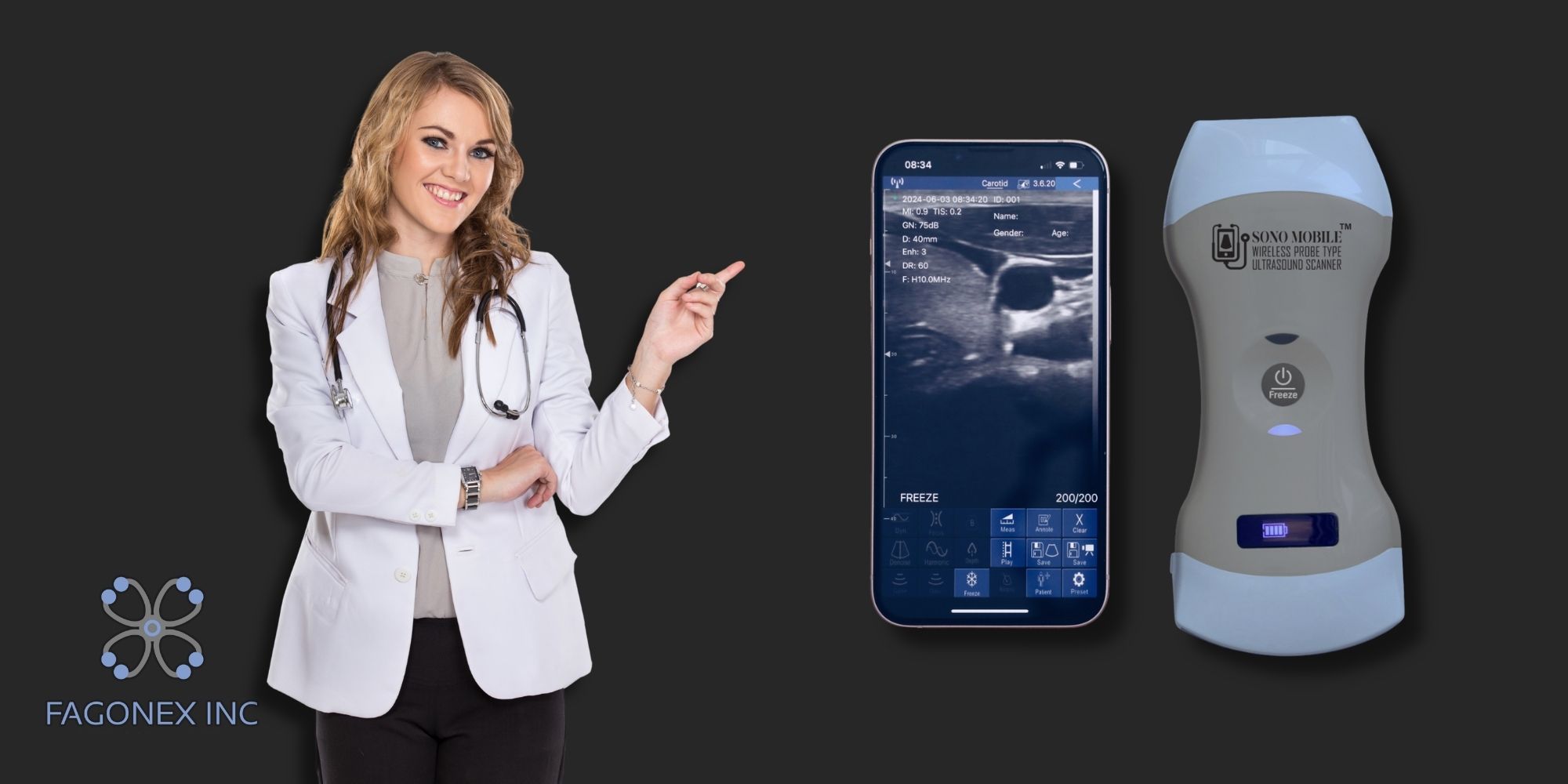 The question “Effects of frequent ultrasound” is understandable in an era of increasing diagnostic access. However, decades of scientific research support the safety of diagnostic ultrasound when used appropriately.
Key takeaways:
The question “Effects of frequent ultrasound” is understandable in an era of increasing diagnostic access. However, decades of scientific research support the safety of diagnostic ultrasound when used appropriately.
Key takeaways:
- No ionizing radiation
- No proven cumulative harm
- No consistent evidence of long-term adverse effects
- Safe when medically indicated and professionally performed
- Innovation
- Clinical excellence
- Patient safety
- Evidence-based practice