
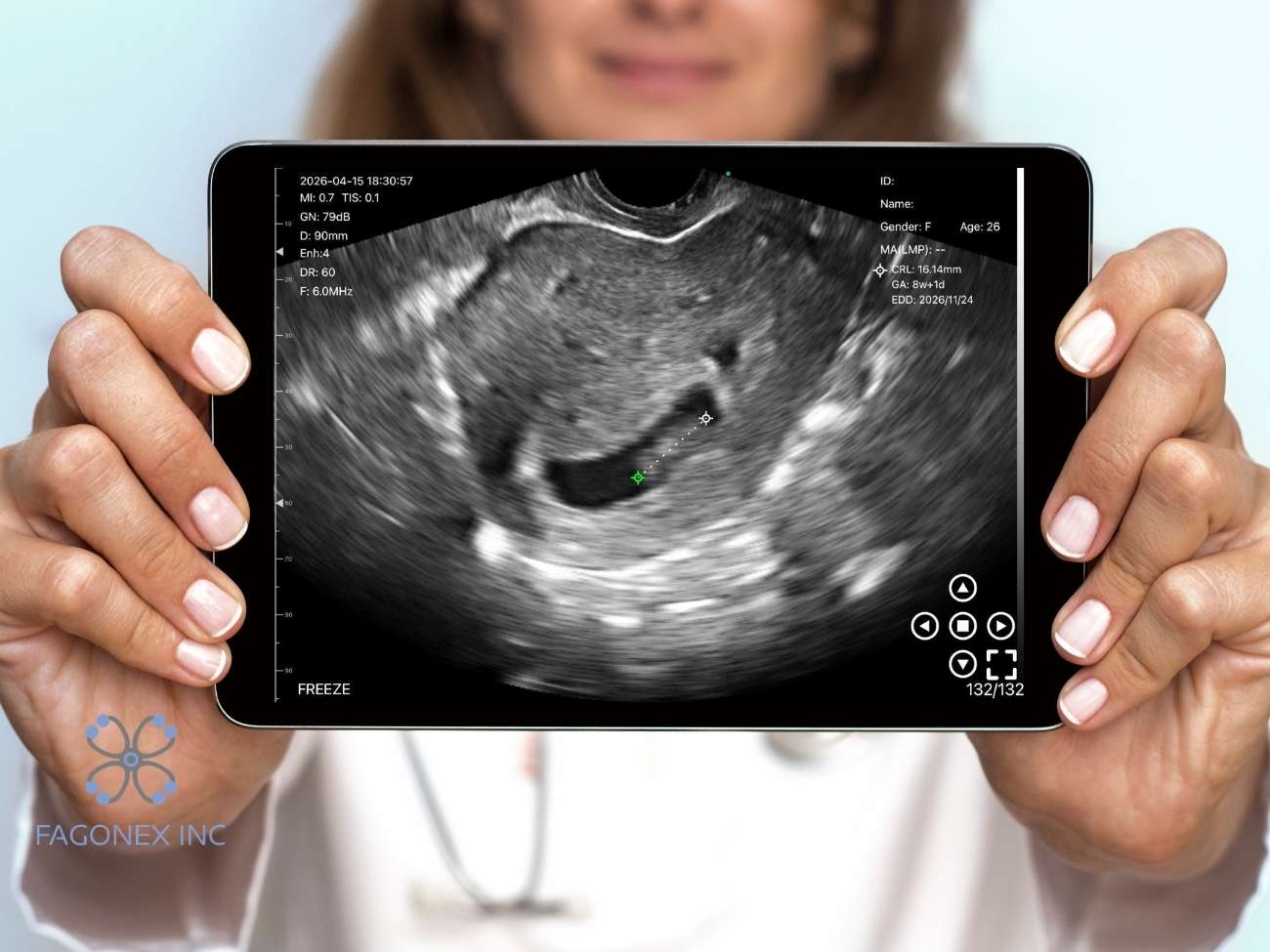
Artificial intelligence is rapidly transforming healthcare technology, and ultrasound is no exception. Over the past several years, AI-powered imaging tools have become increasingly integrated into handheld ultrasound systems, helping clinicians optimize images, automate measurements, streamline documentation, and improve workflow efficiency.
As demand grows for portable diagnostic solutions, healthcare providers are actively evaluating the best handheld ultrasound with AI capabilities. Emergency physicians, critical care specialists, family physicians, cardiologists, obstetric providers, and ultrasound educators are increasingly interested in how artificial intelligence can enhance Point-of-Care Ultrasound (POCUS) without compromising clinical judgment.
However, while AI can improve efficiency and support decision-making, it does not replace physician expertise. The successful adoption of an AI handheld ultrasound requires a balance between advanced technology, proper clinical training, workflow integration, and ongoing education.
This article explores how AI is changing handheld ultrasound, the key features clinicians should evaluate before purchasing a system, the limitations of current technology, and how solutions such as Sono Mobile™ can support smarter point-of-care imaging workflows.
 What Makes a Handheld Ultrasound “AI-Powered”?
An AI-powered handheld ultrasound combines traditional ultrasound imaging with machine-learning algorithms designed to assist users throughout the scanning process.
Rather than replacing the clinician, AI functions as an intelligent assistant that helps optimize image acquisition, automate repetitive tasks, and improve workflow efficiency.
Depending on the system, artificial intelligence may assist with:
- Automatic image optimization
- Anatomy recognition
- Smart exam presets
- Guided measurements
- Automated calculations
- Workflow automation
- Clinical documentation support
- Reporting assistance
- Cloud-based collaboration
The goal is not to diagnose patients independently but to help clinicians obtain and interpret ultrasound information more efficiently.
For healthcare professionals considering a portable ultrasound with AI, understanding the distinction between assistance and automation is critical. Clinical judgment, anatomy knowledge, pathology recognition, and ultrasound training remain essential components of safe and effective patient care.
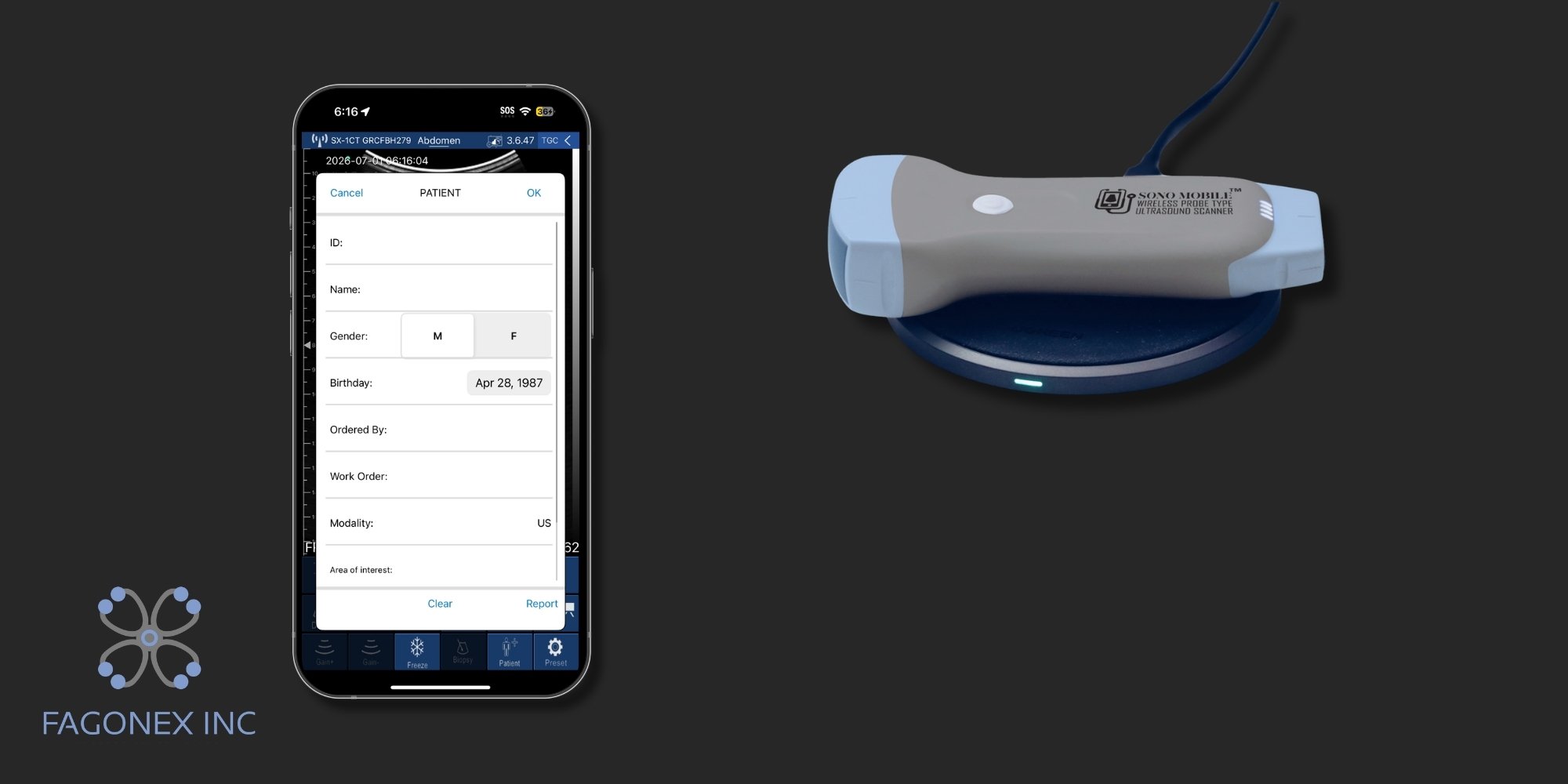 Core AI Features in Modern Handheld Ultrasound Devices
Modern AI handheld ultrasound systems incorporate a growing number of intelligent technologies that support both novice and experienced users.
The most valuable AI features typically focus on reducing workflow complexity while preserving full physician control.
Key capabilities may include:
- Automated image enhancement
- Real-time scanning assistance
- Preset recommendations
- Smart measurements
- Automated calculations
- Report generation support
- Exam documentation tools
- Quality assurance assistance
The best systems strike a balance between automation and flexibility, allowing clinicians to customize imaging parameters when necessary.
Automatic Image Optimization and Smart Presets
Image quality remains one of the most important factors affecting ultrasound accuracy.
AI-assisted optimization can automatically adjust settings such as:
- Gain
- Depth
- Dynamic range
- Frequency
- Focus position
- Doppler parameters
These adjustments help clinicians achieve diagnostic-quality images more efficiently, especially in fast-paced clinical environments.
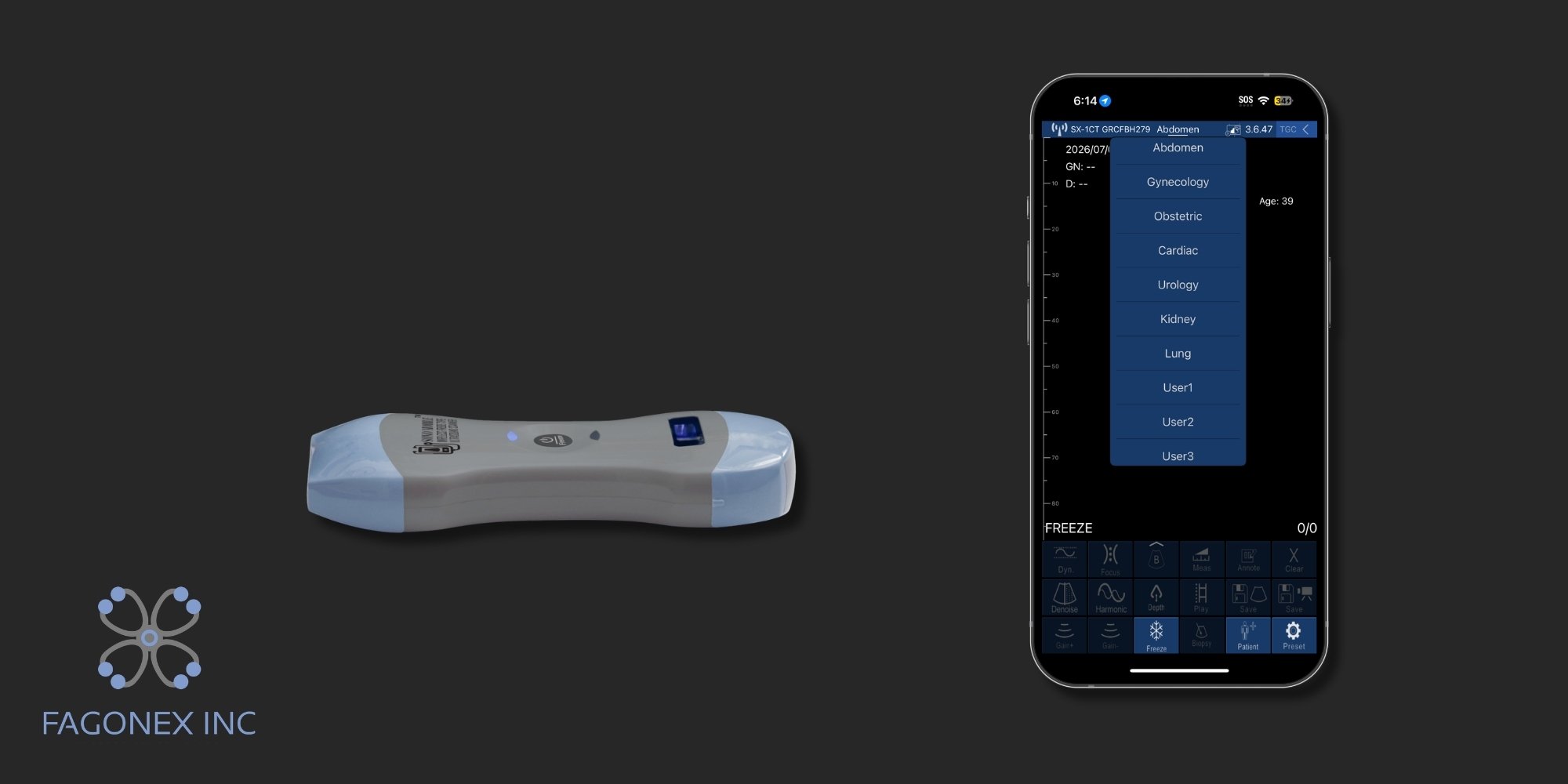
Smart presets further simplify workflow by automatically configuring settings for specific applications.
Examples include:
Lung Ultrasound
Optimized for evaluating:
- Pleural effusions
- Pneumothorax
- Pulmonary edema
- Lung consolidation
Cardiac Imaging
Configured for:
- Ventricular function
- Pericardial assessment
- Chamber visualization
- Ejection fraction analysis
In cardiac applications, AI-assisted tools can support clinicians working with handheld ultrasound in cardiology by improving workflow consistency and measurement efficiency.
Renal Assessment
Designed for:
- Hydronephrosis
- Bladder evaluation
- Renal anatomy
Vascular Imaging
Optimized for:
- Vascular access
- DVT assessment
- Arterial visualization
For clinicians who regularly perform line placement or vessel evaluation, handheld ultrasound for vascular access can support safer and more accurate bedside procedures.
These presets reduce setup time and help standardize examinations across healthcare teams.
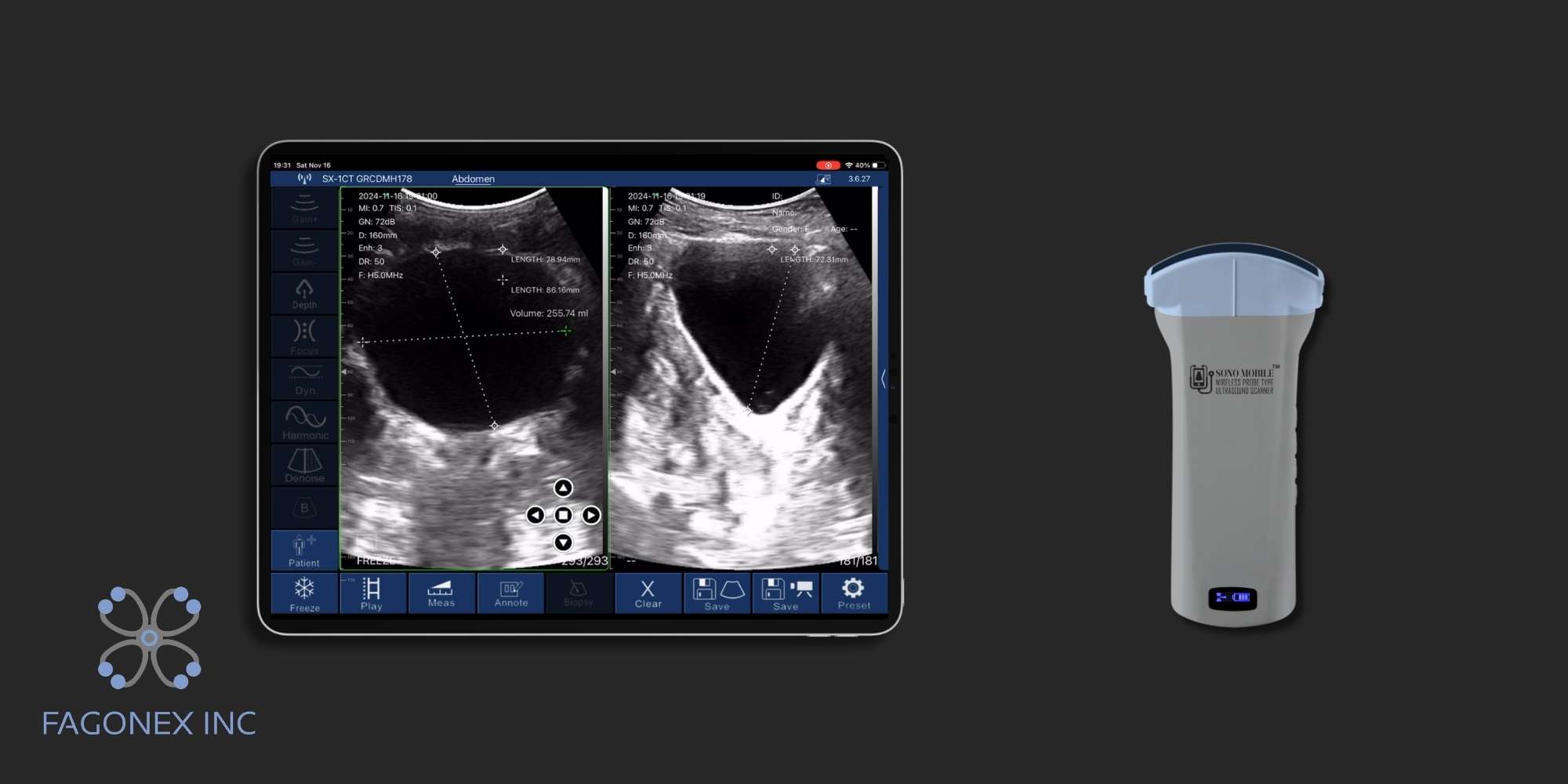
AI Measurements, Guidance and Workflow Automation
One of the most practical applications of AI in ultrasound involves measurement assistance and workflow automation.
Many modern systems can support:
- Bladder volume estimation
- Cardiac chamber measurements
- Inferior vena cava analysis
- Basic fetal biometry
- Vessel diameter measurements
- Ejection fraction estimation
Some devices also provide visual guidance that helps clinicians position the probe correctly and identify appropriate imaging planes.
Workflow automation may include:
- Patient information management
- Exam labeling
- Image organization
- Automated calculations
- Report drafting
These capabilities can reduce administrative burden and improve efficiency without removing clinician oversight.
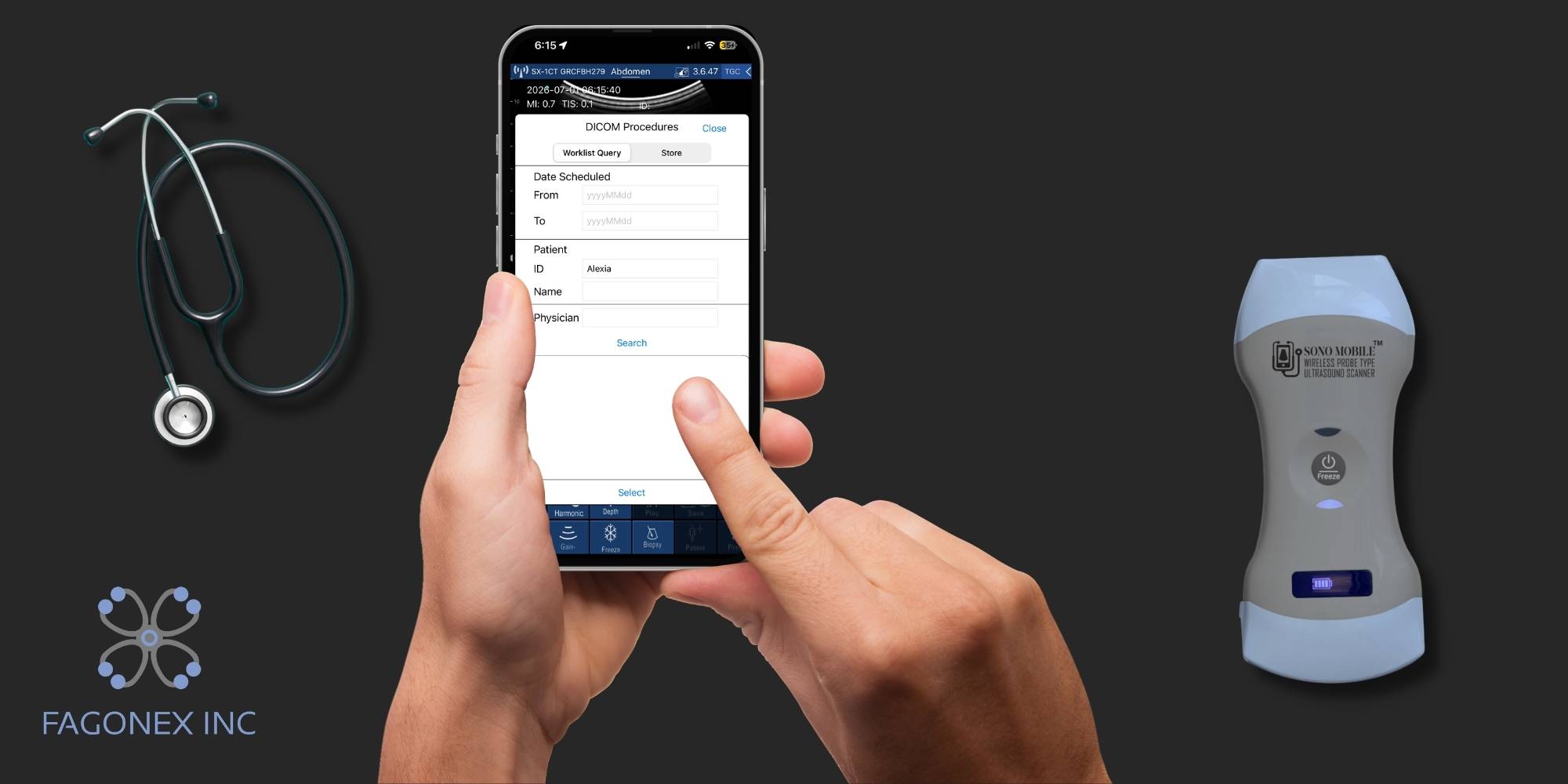 Cloud Connectivity, Reporting and DICOM/PACS Support
Healthcare organizations increasingly require ultrasound systems that integrate seamlessly into existing digital infrastructures.
When evaluating an AI handheld ultrasound, clinicians should consider:
- DICOM compatibility
- PACS integration
- Electronic medical record connectivity
- Cloud storage options
- Secure image sharing
- Remote consultation capabilities
Cloud-enabled workflows allow physicians to review examinations remotely, collaborate with specialists, and maintain secure image archives.
Integrated reporting tools can further improve documentation consistency and reduce reporting time.

Why AI Matters in Point-of-Care Ultrasound (POCUS)
Point-of-Care Ultrasound has fundamentally changed bedside medicine.
Clinicians can now obtain real-time diagnostic information within minutes, improving decision-making and patient management.
Artificial intelligence supports this evolution by helping:
- Reduce scanning complexity
- Improve workflow efficiency
- Standardize image acquisition
- Enhance reporting processes
- Support educational development
Yet the importance of POCUS education cannot be overstated.
Healthcare professionals should continue participating in:
- POCUS certification programs
- Ultrasound workshops
- Continuing medical education
- Specialty-specific training courses
AI can accelerate workflows, but it cannot replace the clinical expertise developed through structured education and hands-on experience. For clinicians and students, handheld ultrasound in medical education remains essential for building scanning confidence and clinical decision-making skills.
 Best Clinical Use Cases for AI Handheld Ultrasound
Emergency Medicine and Critical Care
Rapid bedside imaging supports assessment of:
- Trauma
- Shock
- Respiratory failure
- Cardiac arrest
- Internal bleeding
AI-assisted workflows help clinicians obtain information quickly while maintaining focus on patient care. In urgent settings, handheld ultrasound in emergency medicine can help physicians access real-time imaging when fast decisions are required.
Cardiology and Ejection Fraction Assessment
Cardiac imaging is one of the most promising applications of artificial intelligence.
AI-assisted tools can support:
- Chamber measurements
- Ventricular assessment
- Ejection fraction estimation
- Cardiac workflow optimization
OB/GYN and Pregnancy Screening
Portable ultrasound with AI can support:
- Early pregnancy assessment
- Fetal viability evaluation
- Basic obstetric measurements
- Routine screening workflows
For obstetric and gynecologic applications, OB/GYN ultrasound solutions can support routine screening, pregnancy evaluation, and procedural workflows.
Primary Care and Rural Clinics
Handheld systems expand access to diagnostic imaging in:
- Family medicine practices
- Community clinics
- Rural healthcare facilities
- Mobile healthcare programs
MSK, Vascular Access and Procedure Guidance
Common applications include:
- Joint evaluations
- Tendon imaging
- Injection guidance
- Central venous access
- Peripheral IV placement
- Nerve block procedures
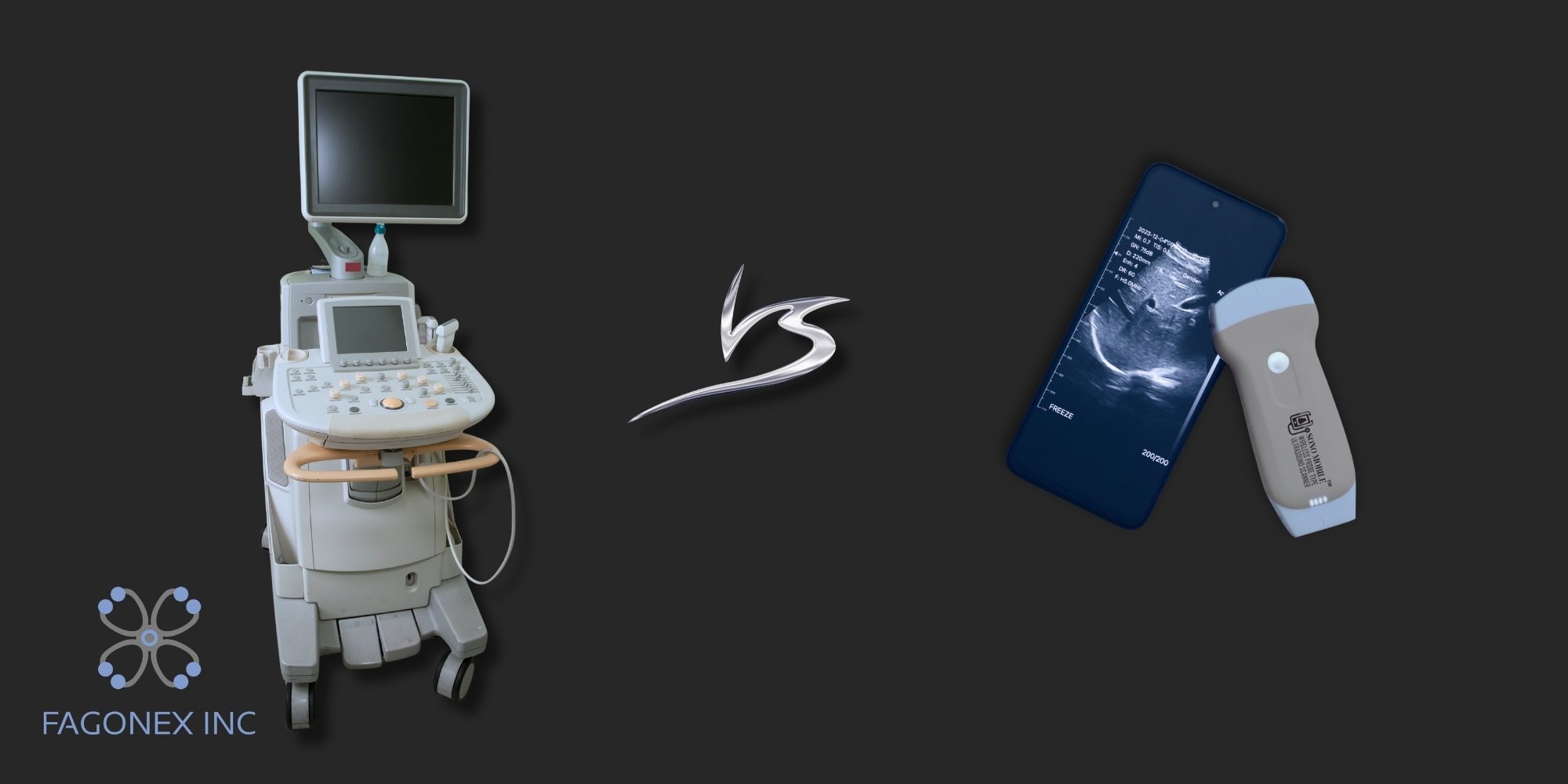 Handheld Ultrasound with AI vs Traditional Ultrasound Machines
Traditional cart-based ultrasound systems remain the gold standard for comprehensive imaging applications, particularly in radiology departments, specialized imaging centers, and advanced diagnostic environments where extensive imaging capabilities are required. These systems typically offer larger displays, advanced Doppler functions, higher processing power, and a broader range of transducer options, making them suitable for detailed examinations across multiple medical specialties.
However, the healthcare landscape is evolving rapidly, and clinicians increasingly require diagnostic tools that provide flexibility, mobility, and immediate access to imaging at the point of care. This shift has driven significant interest in the best handheld ultrasound with AI, which combines portability with intelligent workflow assistance.
Unlike traditional systems that require dedicated examination rooms and significant infrastructure, an AI handheld ultrasound can be carried directly to the patient’s bedside, emergency department, intensive care unit, outpatient clinic, rural healthcare facility, or remote care setting. This accessibility enables healthcare professionals to obtain real-time diagnostic information without delays associated with scheduling or transporting patients.
Modern portable ultrasound with AI technology also introduces features designed to improve efficiency, including automatic image optimization, smart exam presets, guided measurements, workflow automation, and reporting support. These capabilities help clinicians perform ultrasound examinations more quickly while maintaining consistency and clinical confidence.
For Point-of-Care Ultrasound (POCUS) applications, portability often becomes as important as image quality. Physicians can rapidly assess cardiac function, lung conditions, abdominal pathology, vascular access, and musculoskeletal injuries directly where patient care is being delivered. This immediate access to imaging can support faster clinical decision-making and improve workflow efficiency throughout healthcare organizations.
While traditional ultrasound machines continue to play an essential role in comprehensive diagnostic imaging, the emergence of AI-powered handheld ultrasound systems is expanding access to ultrasound across a wider range of clinical environments. As artificial intelligence continues to evolve, healthcare providers are increasingly recognizing the value of combining advanced imaging technology, clinician expertise, and portable diagnostic tools to enhance modern patient care.
For clinicians comparing device categories, this handheld vs portable vs traditional ultrasound guide can help clarify the practical differences between these systems.
Advantages of AI Handheld Ultrasound
- Exceptional portability
- Faster deployment
- Lower infrastructure requirements
- Bedside accessibility
- Improved workflow flexibility
Advantages of Traditional Systems
- Larger displays
- Expanded imaging capabilities
- Advanced specialty applications
- Greater customization for complex exams
For many POCUS applications, handheld ultrasound systems now provide a practical balance of performance, portability, and affordability.
 Key Factors to Consider Before Choosing an AI Handheld Ultrasound
Healthcare organizations should evaluate several critical factors before purchasing an AI-enabled device.
Clinical Performance
Image quality remains the foundation of ultrasound accuracy.
Physician Control
Clinicians should maintain full access to imaging parameters and manual adjustments.
AI Functionality
Automation should improve efficiency without limiting flexibility.
Software Updates
Regular software improvements are increasingly important as AI capabilities evolve.
Training and Education
Manufacturers should support user competency through education and clinical training resources.
Data Security
Healthcare providers should evaluate:
- Encryption protocols
- Privacy compliance
- Secure cloud storage
- Access controls
DICOM and PACS Integration
Interoperability is essential for modern healthcare workflows. When evaluating an AI handheld ultrasound or portable ultrasound with AI, healthcare organizations should ensure that the system supports industry-standard connectivity protocols such as DICOM and seamless integration with PACS environments.
DICOM compatibility allows ultrasound images, measurements, and reports to be stored, shared, and reviewed across healthcare networks while maintaining standardized formatting. PACS integration enables clinicians to access studies from multiple locations, collaborate with specialists, and incorporate ultrasound findings into existing clinical workflows. Effective integration reduces manual data entry, minimizes documentation errors, improves workflow efficiency, and helps maintain comprehensive patient records. For hospitals, clinics, and growing POCUS programs, strong interoperability is a critical factor when selecting the best handheld ultrasound with AI.
Total Cost of Ownership
Purchasing decisions should consider:
- Hardware costs
- Software subscriptions
- Service agreements
- Training expenses
- Upgrade pathways
Limitations of AI in Handheld Ultrasound
Despite significant advancements, AI remains a support tool rather than a replacement for clinical expertise.
Current limitations include:
- Dependence on image quality
- Limited contextual understanding
- Variable performance across patient populations
- Need for physician validation
- Ongoing software maintenance requirements
Clinicians should always verify AI-generated measurements and interpretations within the broader clinical context.
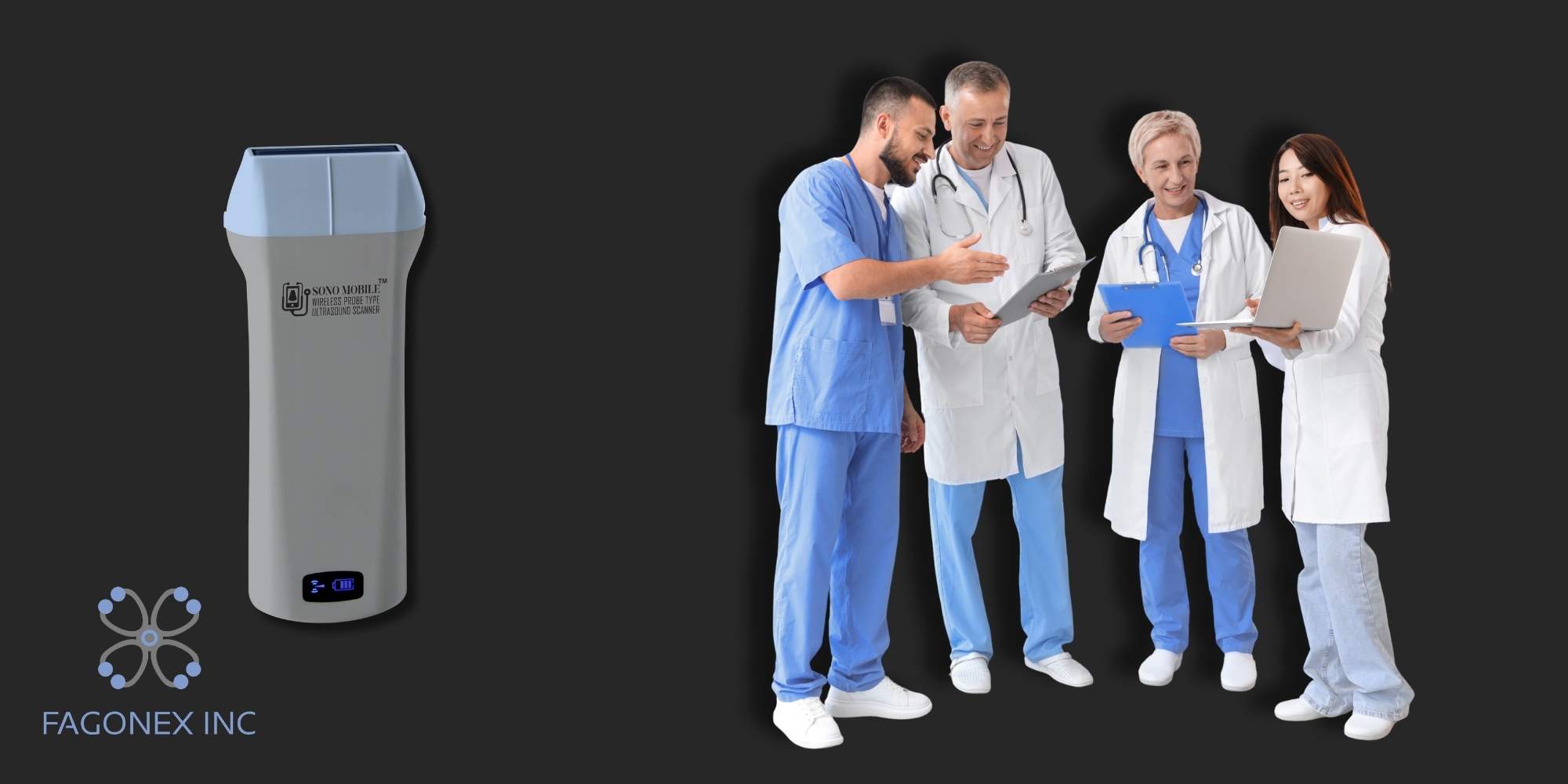
How Fagonex Sono Mobile™ Supports Smarter Clinical Workflows
As healthcare continues adopting intelligent imaging technologies, clinicians increasingly require ultrasound systems that balance automation with physician control.
Sono Mobile™ is designed around this principle.
The platform supports efficient point-of-care imaging through:
- High-quality handheld ultrasound technology
- Comprehensive clinical presets
- Flexible workflow integration
- DICOM-compatible environments
- Cloud-enabled collaboration capabilities
- User-controlled imaging parameters
For clinicians who need a versatile model across emergency, pulmonary, cardiology, critical care, vascular access, and other applications, Sono Mobile™ CL64 is one of the key Fagonex handheld ultrasound solutions designed for broad clinical use.
Importantly, Sono Mobile™ recognizes that successful ultrasound programs depend not only on technology but also on education. Clinicians must continue developing POCUS competency through structured training, certification pathways, and hands-on experience.
By combining portability, workflow efficiency, clinical flexibility, and future-ready technology, Sono Mobile™ supports healthcare professionals seeking smarter diagnostic solutions without sacrificing clinical independence.
Conclusion
Artificial intelligence is reshaping the future of handheld ultrasound by improving image optimization, automating repetitive tasks, streamlining reporting, and supporting clinical workflows.
Yet technology alone is not enough. Healthcare professionals must continue investing in ultrasound education, POCUS training, and clinical expertise to maximize the value of AI-assisted imaging.
When selecting the best handheld ultrasound with AI, organizations should evaluate image quality, workflow capabilities, software support, interoperability, security, training resources, and long-term ownership costs.
The most effective solutions combine intelligent technology with physician control, allowing clinicians to leverage automation while maintaining responsibility for patient care.
As Point-of-Care Ultrasound continues expanding across healthcare, platforms such as Sono Mobile™ represent a practical approach to integrating modern ultrasound technology into smarter, more efficient clinical workflows.